When Systems Fail and Patience Wears Thin
They say a person’s true character comes out whenever they’re faced with a stressful situation. How we act during times of chaos or frustration shows what we’re really made of and where our moral compass truly lies. It’s easy enough to move through the day putting on a good face, projecting that everything is just fine. We might even throw out a friendly word or two along the way to show how content we are.
That’s easy to pull off when life is running smoothly.
Those masks were put to the test recently during the widespread outages with Microsoft and the FAA. The FAA situation, in particular, was the real test. Sure, the Microsoft outage was annoying, but for a lot of people, it was mostly just an excuse to step away from the corporate grind. Employers obviously weren’t thrilled about the lost productivity, but social media was full of memes celebrating the sudden downtime while poking fun at the tech failure.

We don't pull punches for large companies like Microsoft, but still...ouch.
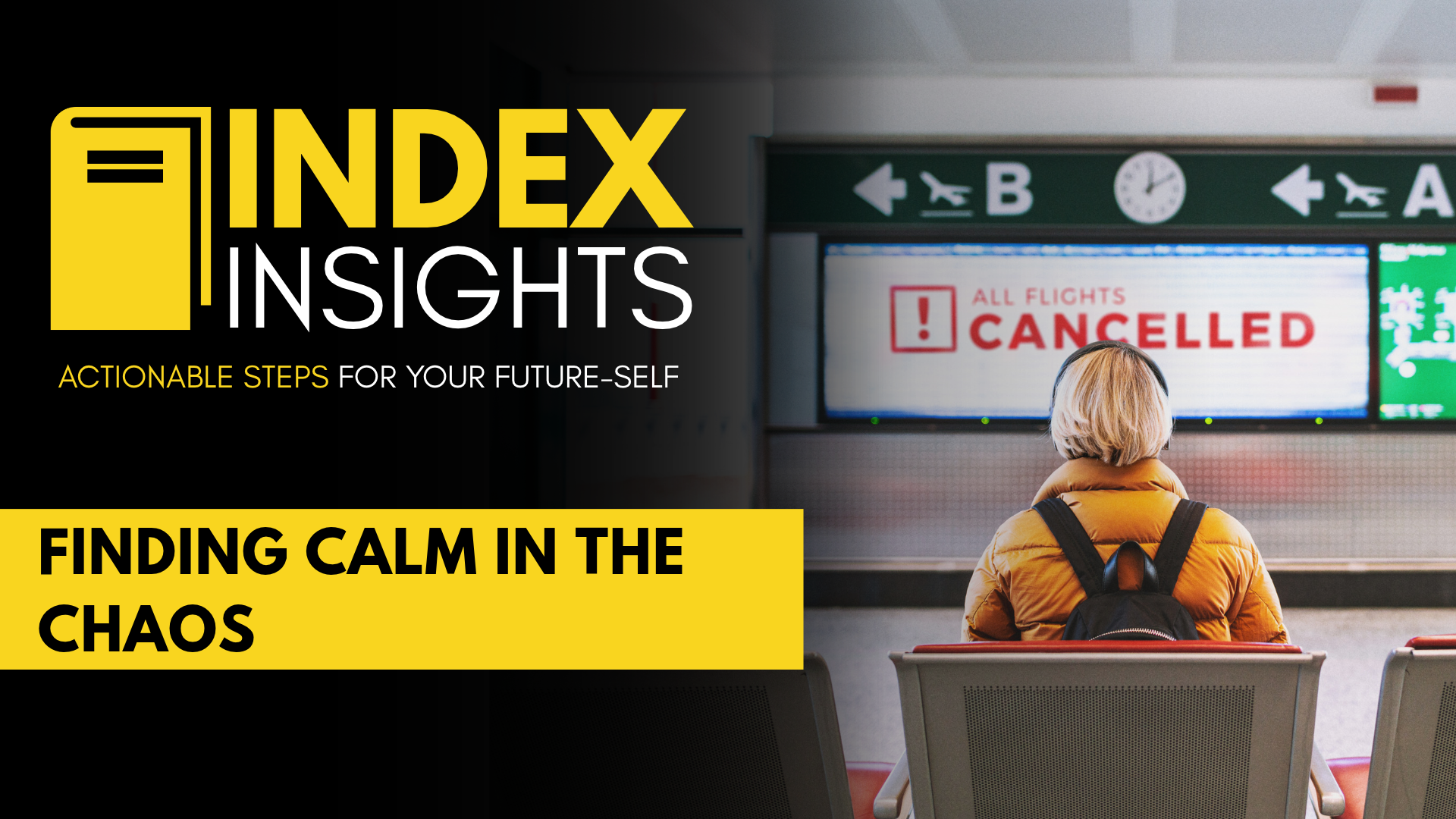
Then came the FAA system failure, bringing flights across the country to a dead stop and leaving travelers stranded. Plans fell apart, frustration boiled over, and anyone working for an airline, the FAA, or even the broader government ended up taking the heat. After all, we’re paying customers who’ve been inconvenienced, and we want what we paid for right now.
In moments like that, you see human nature play out in real time. Chaos triggers instant emotion, and the first instinct is to find someone to blame for putting us in a bad spot. Granted, real technical and operational issues do happen and must be addressed. There’s a good reason tech teams adhere to best practices like avoiding Friday afternoon updates. But society still demands immediate answers, quick refunds, and instant solutions. We start acting as if seamless travel schedules and uninterrupted software access are fundamental rights, and somebody needs to answer for the disruption.
Whenever these things happen, I try to use them as an opportunity to practice what I wrote about in The Excuse Index. This knee-jerk reaction to blame external systems and people is the classic trap of The Blame Game persona from Chapter 3. Slipping into that perspective lets us play the victim just to protect our ego, effectively dodging any accountability for how we choose to handle the disruption. Instead of getting stuck in that loop, I try to pause and reflect on what I actually get to enjoy on a daily basis:
I live in a country where I have the freedom to travel pretty much wherever and whenever I want.
I get paid to sit in front of a laptop, taking meetings from the comfort of my home or a nice office.
I have access to high-speed internet, powerful hardware, and cutting-edge software provided for my work.
I get flown across the country to connect with clients, all covered by my employer.
When I take a vacation, it’s funded by the salary provided by that same job.
We live in a culture where high standards are the norm, so we naturally come to expect them. But let's be honest with ourselves. While we pay for reliable services, unexpected failures are inevitable. Think about how kids react when dinner isn't ready the second they're hungry. They throw a tantrum because their expectation wasn't instantly met. As adults, we do the exact same thing when our high expectations get bumped off course.
It’s surprisingly easy for adults to slide into toddler mode over a setback. The mob mentality kicks in, complaints start flying, and everyone nearby catches the fallout.
Managing Expectations
If you found your blood pressure spiking during those recent outages and are wishing you could “handle these situations better”, consider a simple mindset change. What if we treated cross-country flight and instant global connectivity as massive privileges rather than automatic guarantees? Yes, we pay money for these services, but hear me out on where taking this approach actually leads you.
Frustration sets in when reality falls short of our expectations. It’s like getting stuck in traffic when you're running late. It's far easier to blame everyone else on the road than to acknowledge our own poor planning, deflecting any accountability. What if we reset those baseline expectations instead? Rather than reacting to a traffic jam or flight delay with “This is an outrage!”, we could simply adopt the mindset: “Plans changed, so it's time to adjust.”
Meetings get rescheduled, work gets delayed, and travel plans change. By keeping your expectations flexible, you keep your composure. Remember, behind those computer screens and counter desks are real people doing their best under pressure. That flight attendant dealing with a ground delay didn't cause the outage, but they're the one taking the brunt of everyone's anger. It's no surprise customer service staff get burnt out.
Building a Better Buffer
Beyond adjusting our expectations during unexpected system failures, a significant portion of our everyday stress comes down to self-inflicted rush and poor buffer management. When we schedule every commitment back-to-back without accounting for unexpected delays, even the smallest disruption can feel like a catastrophe. By intentionally building buffer time into our schedules, planning ahead, and taking ownership of our time management, we reduce our baseline stress levels and give ourselves the breathing room needed to handle real emergencies calmly when they arise.
Ultimately, outages, delays, and unexpected disruptions are inevitable parts of a complex world. While we cannot control when a system fails or a flight is grounded, we maintain full control over our mindset and behavior. By letting go of entitlement, planning proactively, and responding with patience and grace, we protect our peace of mind and set an example for those around us.